Office Burst Pipe Repair
Commercial Office Plumbing
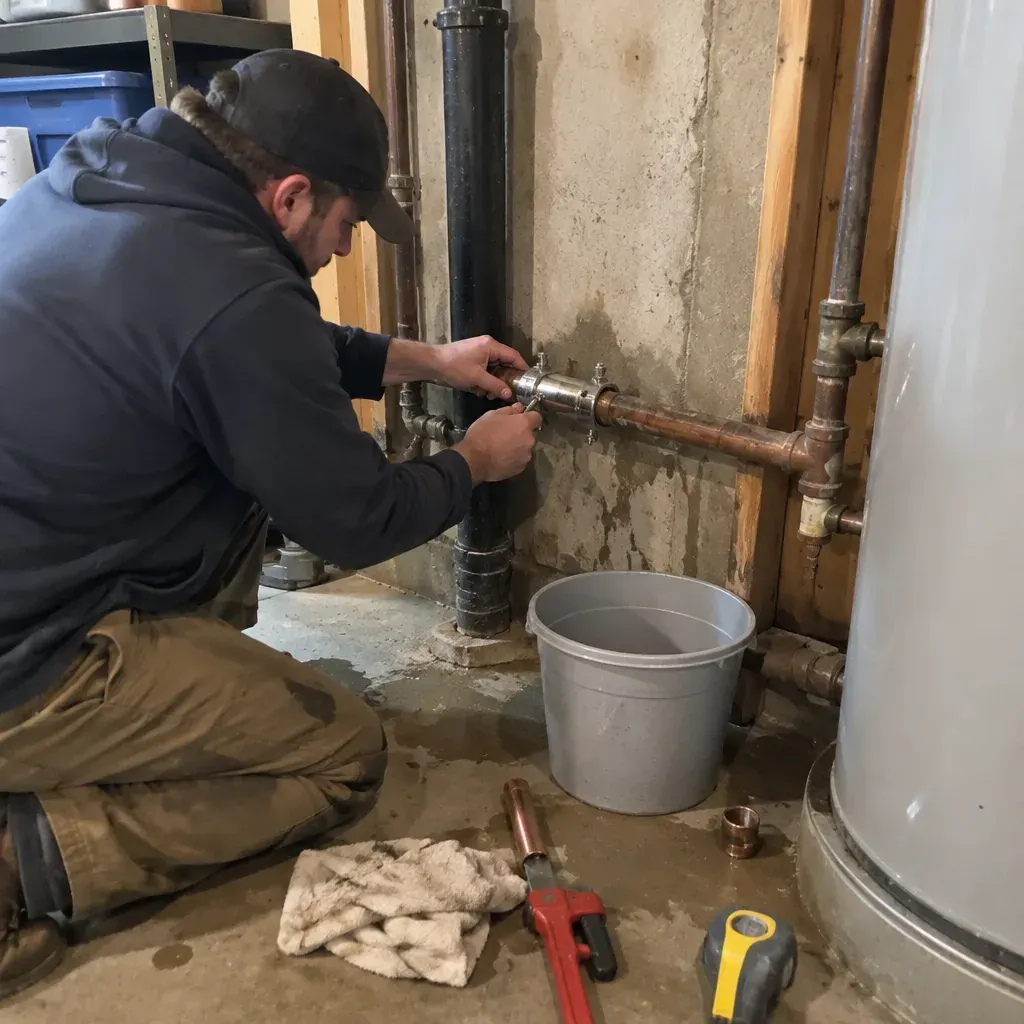
Hospital burst pipe repair needs coordinated access, clear operational priorities, and useful records for the facilities team.
A burst pipe in a healthcare facility is repaired by locating the break, stopping water flow when safe, and repairing or replacing the damaged section with compatible parts. Facilities and clinical leads identify affected areas, access limits, and water-dependent activities to inform isolation planning.
A sudden loss of pressure, damp flooring, or water near equipment can signal a pipe failure before staff can see where the line broke. In West Jordan, begin by having facilities staff identify the affected zone and bring the relevant clinical and operational leads into the discussion. Their input helps the plumbing professional understand patient-care needs, staff routes, and access limits before deciding how the damaged pipe can be reached and repaired.
Map the possible impact beyond the place where water appeared. A concealed line can carry water through walls, ceilings, or floors, so facilities staff should compare the observed area with building plans and identify patient-care rooms, staff work areas, and support spaces that may share the supply. If patients travel from near Veterans Memorial Park, that landmark can help with public directions; internal maps are what guide the repair discussion inside the facility.
Each building has its own access rules, room functions, and wayfinding. In West Jordan, staff can give the pros we connect you with the facility’s current floor plans, approved entry points, and any escort or check-in requirements. A public reference such as Sycamore Ridge Park may help people describe the general area, but it cannot establish where a pipe runs or which rooms rely on it. Confirm those details with the facility’s own records and staff.
Next, identify what the affected supply serves. The visible leak may be in a corridor or service space while the same branch also feeds handwashing, cleaning, or other patient-care support in separate rooms. Facilities staff can trace the line using system records and staff knowledge, then note which areas need review before isolation is considered. That gives the plumbing professional a clearer picture of the repair boundary than the wet spot alone.
Clinical and operational leads should decide which water-dependent activities need to continue in the affected area and which can be moved or rescheduled. The facilities manager can then explain those decisions to the plumbing professional, who can assess whether the damaged section can be isolated without affecting other parts of the building. For a West Jordan facility, this shared assessment helps keep repair planning tied to actual care needs rather than assumptions about how the system is laid out.
| Care area | Water use | Entry controls |
|---|---|---|
| Care areas | Patient rooms and treatment spaces served | Clinical leads flag protected activities |
| Facility services | Staff, food service, and cleaning functions | Facilities staff identifies service dependencies |
| Water reliance | Equipment or tasks needing a water supply | Department owners describe operating needs |
| Line scope | Rooms and systems connected to the pipe | Plumber assesses a workable isolation boundary |
| Entry conditions | Approved route, escort, and space restrictions | Agree on site rules before access |
| Team notices | Departments affected by access or water limits | Name a contact to share updates |
| Work record | Pipe location, materials, checks, and water status | File details with facility maintenance records |
| Arrival notes | West Jordan facility entrance and receiving point | Interstate 15 and Interstate 84 corridors |
Before anyone plans to isolate a line, facilities staff should identify the relevant valve or system segment from facility records and confirm it with the plumbing professional. A break in one branch may connect to a larger supply, so the map needs to show both the intended isolation point and the areas it may affect. Do not operate a valve if it cannot be reached safely, and keep staff out of areas with electrical hazards.
The pipe serving a room may also feed another function elsewhere, which can make the isolation boundary less obvious than the floor plan suggests. Facilities staff can compare available system drawings with the building’s operating knowledge, then ask the plumber to assess the line and likely repair scope. In West Jordan, this confirmation is useful when a medical facility needs to understand which water-dependent areas may be affected before choosing how the repair is handled.
Set a clear contact for access and decisions before the plumbing professional enters controlled areas. That person can coordinate with clinical leadership, explain check-in and escort expectations, and route updates to staff who need them. If parts of the building are reached through a designated service entrance, document that route in the work plan. Clear access instructions reduce avoidable interruptions while keeping the repair team within facility procedures.
Keep a written account of the affected service, the areas reviewed, and the operational contacts who helped define access and isolation limits. Record which plans or system references were used, along with any assumptions that still need confirmation. For a West Jordan facility, this gives facilities and clinical leaders a common reference if questions arise about what the damaged line served or why a particular work area was restricted.
The repair method depends on the break’s location, pipe material, size, connection type, and condition around the damaged section. A plumber may replace that section or use another compatible repair method; parts need to suit the existing water line. Once the work is complete, the repaired area should be checked for leaks and water flow confirmed before it is closed up. Water extraction, drying, and rebuilding may require a separate provider.
Plan staff updates around the areas and activities identified during the assessment. Clinical leadership can tell teams which spaces or workflows are affected, while facilities staff can share changes to access and the plumbing work area. If a facility serves people arriving from around the Jordan River corridor, external directions may help visitors orient themselves, but messages about the repair should use the facility’s own room names and internal routes.
Before the work area returns to normal use, have facilities staff record what pipe section was repaired and what the plumber checked. That record helps future maintenance staff connect the repair to the correct part of the water system. Confirm separately who is responsible for any water removal, drying, or building-finish work, since those tasks fall outside repair of the plumbing line itself.
For a West Jordan healthcare facility, the cost of emergency burst pipe repair can vary with the break’s location, how the pipe can be accessed, the materials and fittings it requires, and the repair method suited to the existing line. Coordination needs can also shape the work plan when access must be arranged around patient-care spaces or shared services. A site assessment is needed to establish the actual repair scope; local geography alone cannot determine it.
When discussing the estimate, give the plumbing professional the affected-area map, known access requirements, and the operational contacts who can answer questions about the line. Ask which plumbing work is included and whether separate providers are needed for water removal, drying, or rebuilding. If the facility is near Ron Wood Park or Bingham Creek, those references can help describe the general West Jordan area, while the repair decision depends on the pipe and site conditions.
Repair completion is only one part of returning a healthcare area to routine use. In West Jordan, facilities staff can record which services depended on the affected line, what work the plumbing professional completed, and which operational leads reviewed the change. That record gives the next shift a clear handoff and helps teams distinguish pipe repair from decisions about room readiness. If finishes or equipment need attention after the leak, assign those items separately so the plumbing record does not imply that every affected space is ready for use.
A community name alone may not settle service eligibility; the property’s location can matter, so ask whether Burst Pipe Repair is available at that address, includingMidvale, West Valley City and Riverton. When discussing a visit, clarify whether its quoted charge includes travel to your address.
For a commercial kitchen or retail unit in West Jordan, a provider may set the estimate by visit and consider line size and service frequency. Treat $350–$1,300 as a reference; concealed runs, access limits, and the amount of pipe needing attention can change the final figure.For a West Jordan business, the line’s size and the damaged section determine which compatible parts fit, affecting the estimate. For a commercial property referenced by the Utah Cultural Celebration Center, describe the pipe material, size, affected area, and access when calling; confirm the visit charge and agreed work scope directly.Compare access, pipe material, and repair scope in the pricing guide; the commercial overview describes how commercial jobs are evaluated.
Commercial Office Plumbing
West Jordan Hospitality Plumbing
Restaurant Pipe Service
Facilities staff should identify who can authorize entry to each controlled treatment space, then confirm any escort or room-use limits with clinical leadership. Share those rules with the plumbing professional before access is planned. A single facilities contact can relay changes in room status, which helps prevent an approved work area from being treated as open when its use has changed.
Describe which essential activities rely on the affected water service, along with any operating constraints the clinical and facilities teams have identified. The plumbing professional can use that information when discussing how the line may be isolated for repair. In West Jordan, keep the operational lead responsible for each dependent activity involved in those decisions; the repair itself does not determine which clinical work can pause.
Keep the repair record tied to the facility’s own system references: note the affected branch or line, the rooms it serves, and the repair details supplied by the plumbing professional. Facilities staff can add which operational leads reviewed the work and flag any follow-up assigned to another provider. This gives later teams a usable handoff without treating plumbing notes as a room-readiness decision.
Burst Pipe Repair addresses the damaged water supply line and includes checking the plumbing repair. Water removal, drying, and rebuilding may fall outside that work. A facilities contact can track those follow-up needs separately so the pipe repair record stays clear about what was completed and what still needs attention.
For a West Jordan facility, bring facilities staff and operational leads together to define affected areas, entry controls, and water-dependent work for the plumbing professional.
Call (801) 417-8013